

Our Services
Technical support throughout the entire development and manufacturing process, from the initial evaluation to root cause analysis during ongoing operations.
Product Development for Plastics Manufacturing
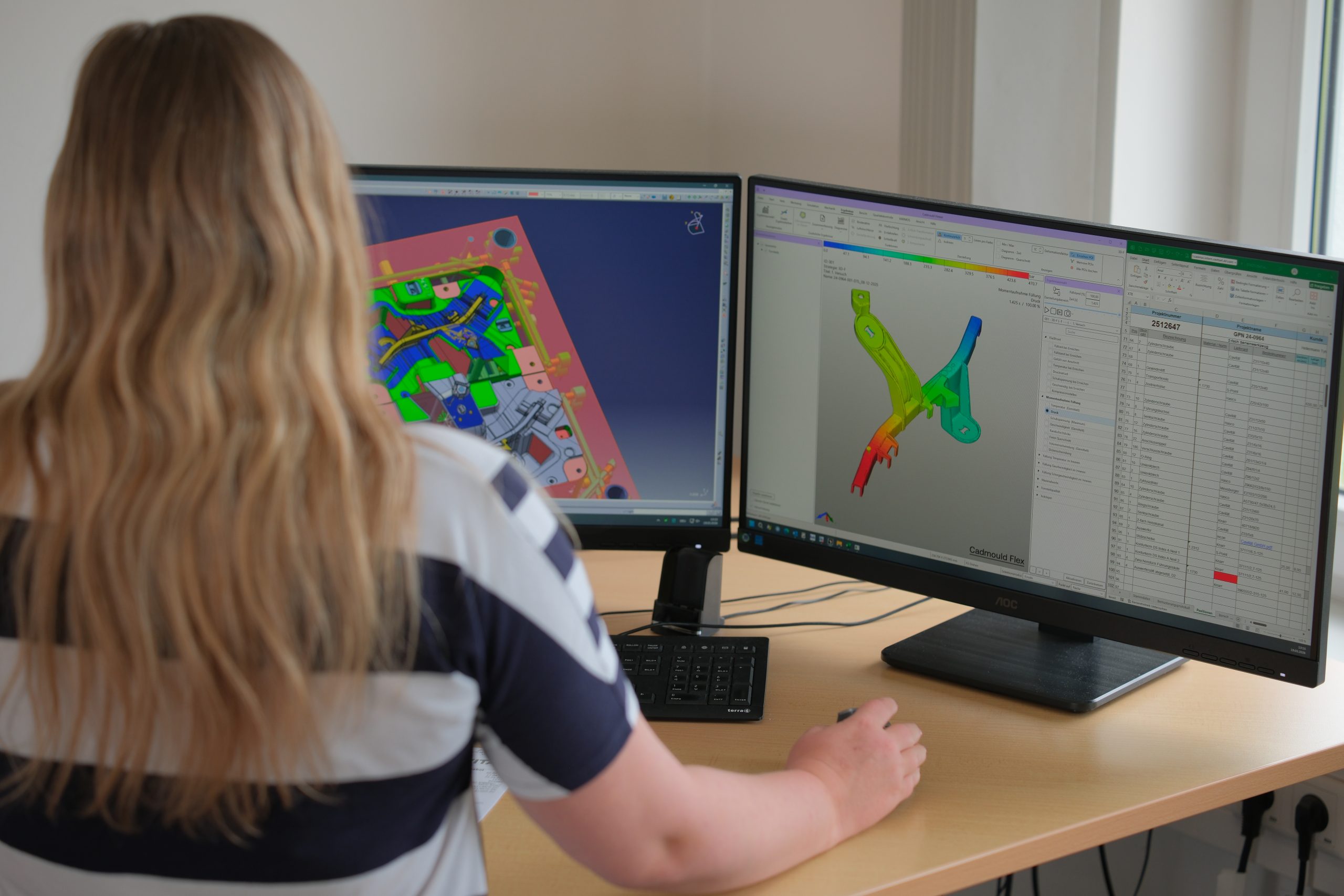
We consistently design products with plastics and tooling in mind—with a clear focus on mass-production readiness and process stability. Even during the design phase, we rely on in-depth FEM analyses as well as filling and warpage simulations to ensure optimal component design.
We define warpage compensation in a targeted and transparent manner, and we plan necessary corrections in a structured and efficient way. This allows us to avoid unnecessary iterations during the subsequent tooling process.
All project and mold management is handled end-to-end through our ERP system. This ensures maximum transparency and guarantees that processes remain on schedule and within budget throughout all project phases.
Tool Design and Component Optimization
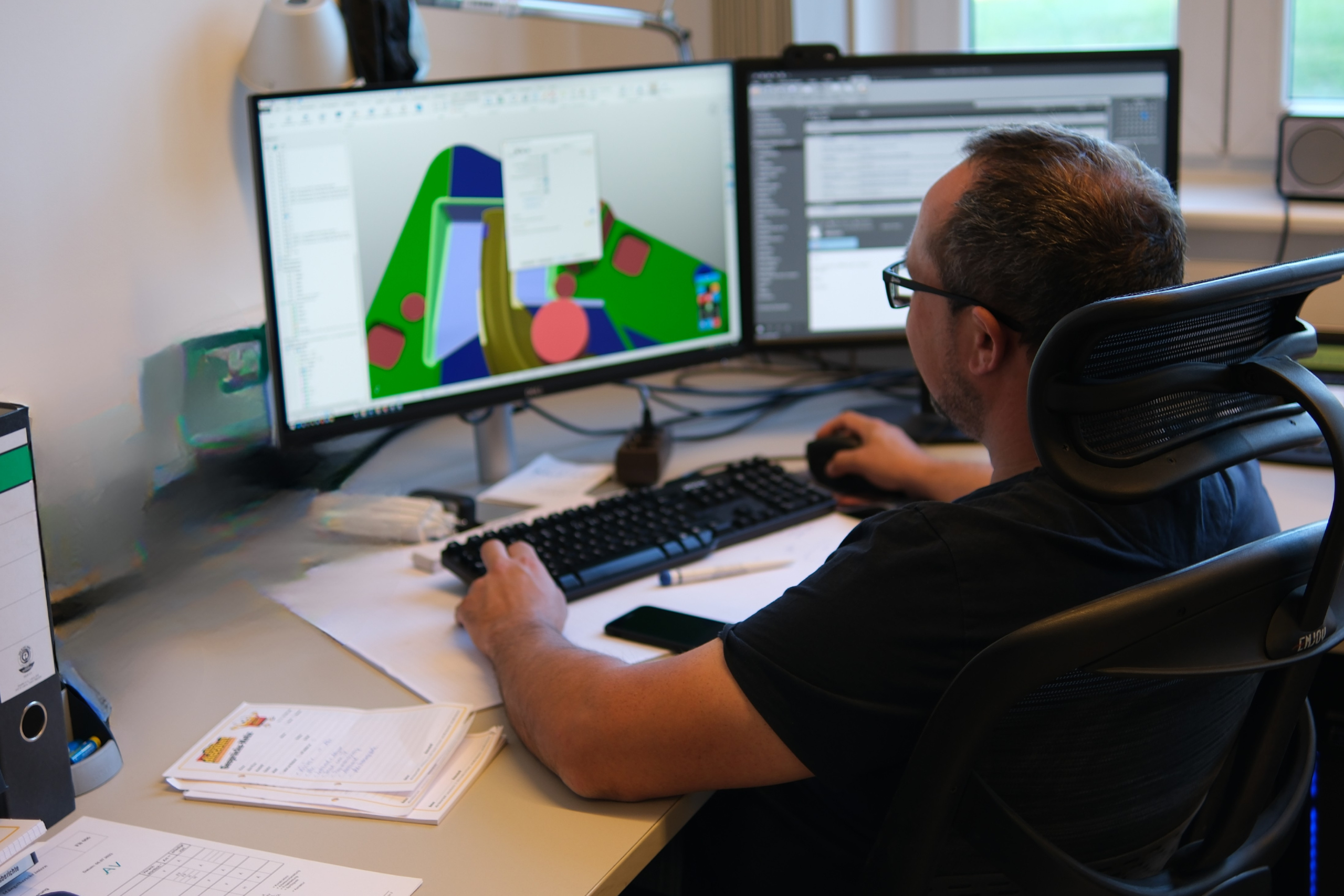
If no customer specifications are provided, we handle the entire tool design and component development process based on our in-house specifications. This allows us to establish a solid foundation for effective mass-production processes right from the start.
Risk analyses conducted in accordance with CE requirements, along with the careful selection of steel and cooling systems, ensure stable processes, high dimensional accuracy, and cost-effective cycle times.
By using FEM, filling, and warpage analyses, we identify and optimize critical factors early on. We plan correction phases in a structured and efficient manner to avoid unnecessary iterations.
All project and mold management is handled end-to-end through our ERP system—ensuring maximum transparency and on-time, within-budget implementation.
Tool and Die Manufacturing Toolshop
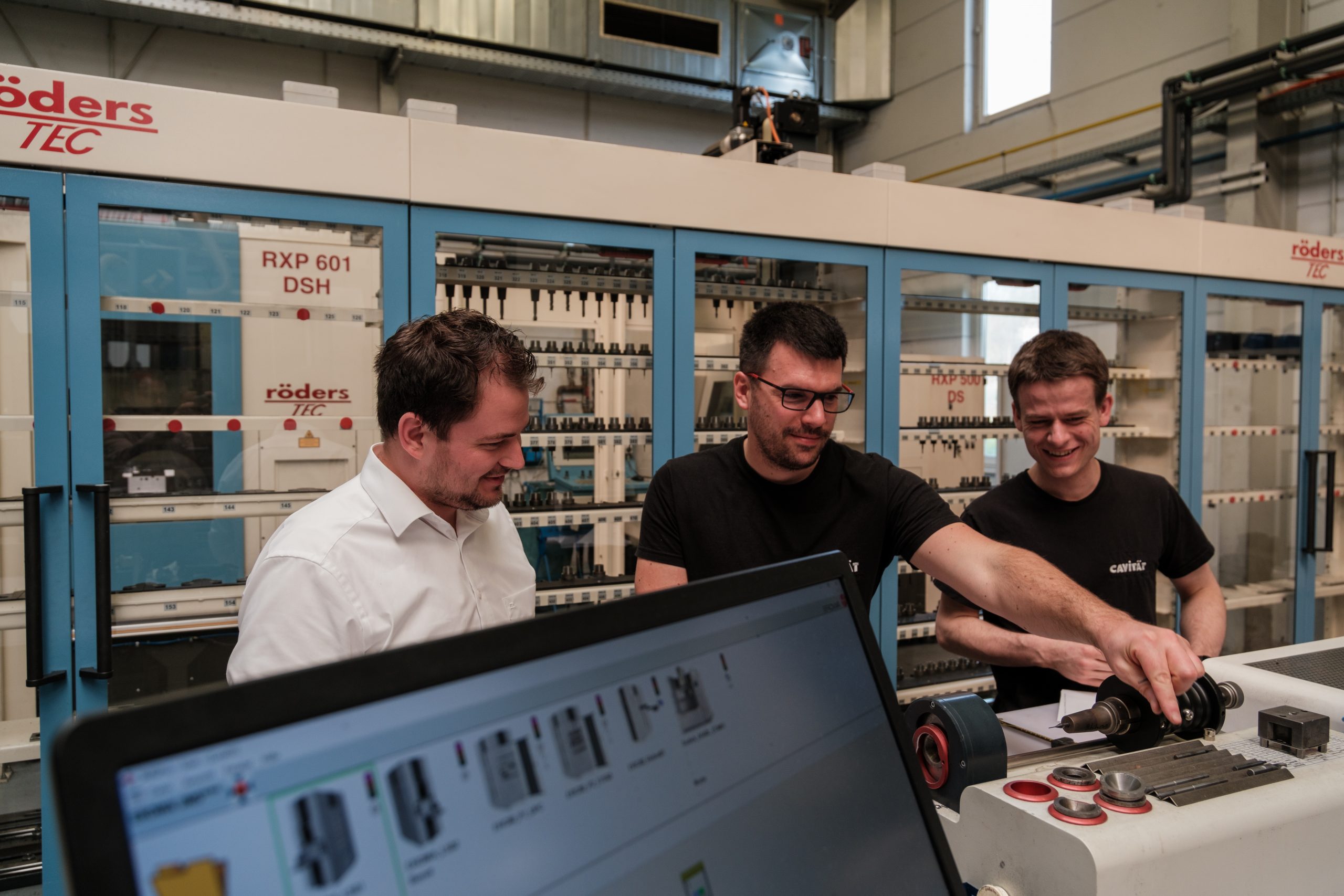
Our toolmaking shop is designed from the ground up for fully automated manufacturing. High-precision components are produced as reliable production assets—with consistent quality throughout the entire process.
A well-designed job management system, laser measurement with wear detection, and automated palletizing ensure reproducible results and minimal intervention during operation.
Electrode manufacturing and electrical discharge machining are also largely automated. This not only increases efficiency but also improves precision in critical manufacturing steps.
Our PLM system ensures end-to-end transparency and enables seamless traceability of all process steps.
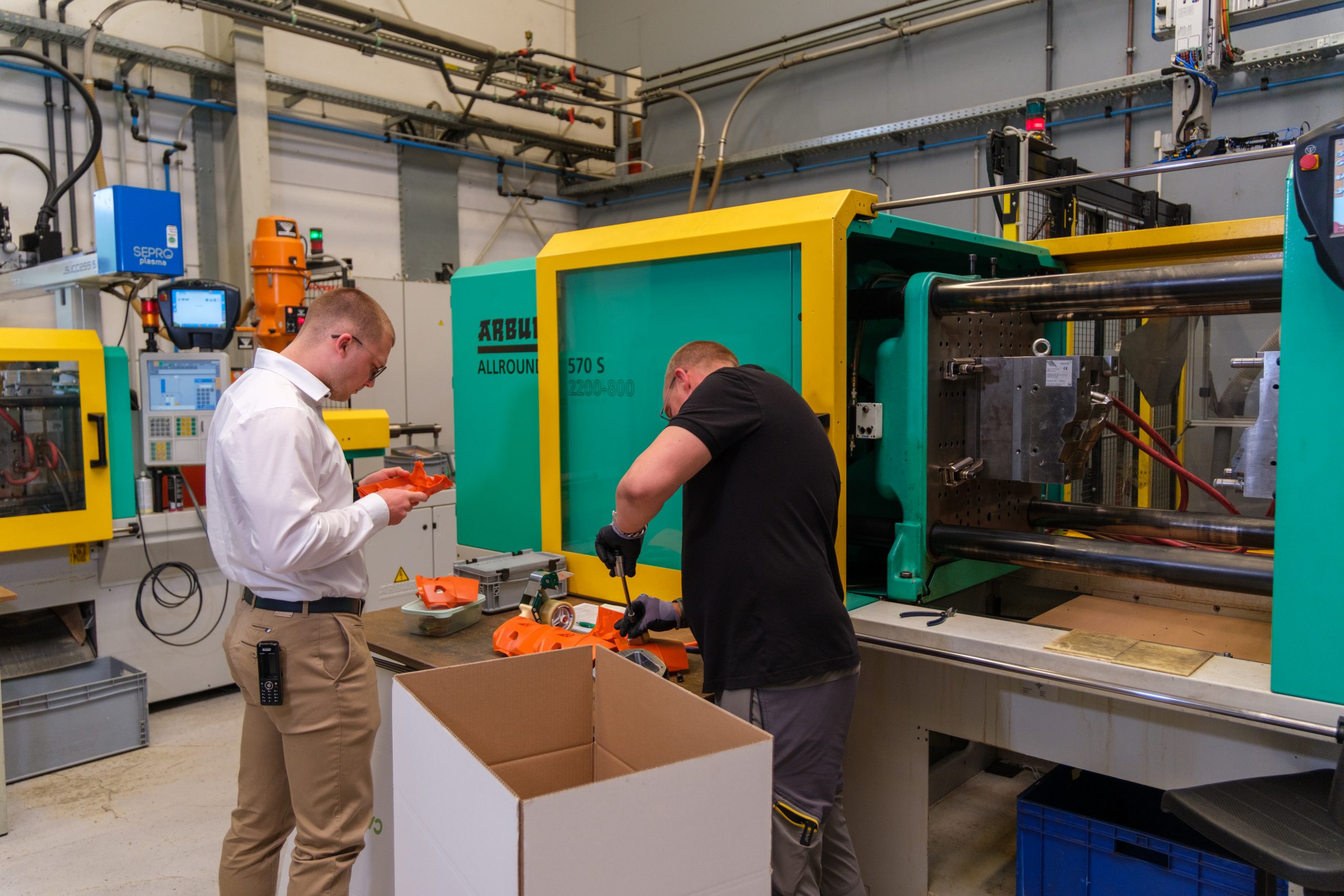
FOT and Initial Sampling
We support FOT and initial sampling with a structured sampling process and targeted process optimization. The goal is to lay the foundation for stable and reproducible mass-production processes as early as this phase.
By utilizing modern metrology as well as laser and CT measurement, we achieve the highest level of measurement accuracy—even with complex geometries and challenging components.
All results are systematically documented and continuously compared with one another during the sampling process. This allows measurement parameters and process flows to be specifically adjusted and continuously optimized.
End of Arm Tools
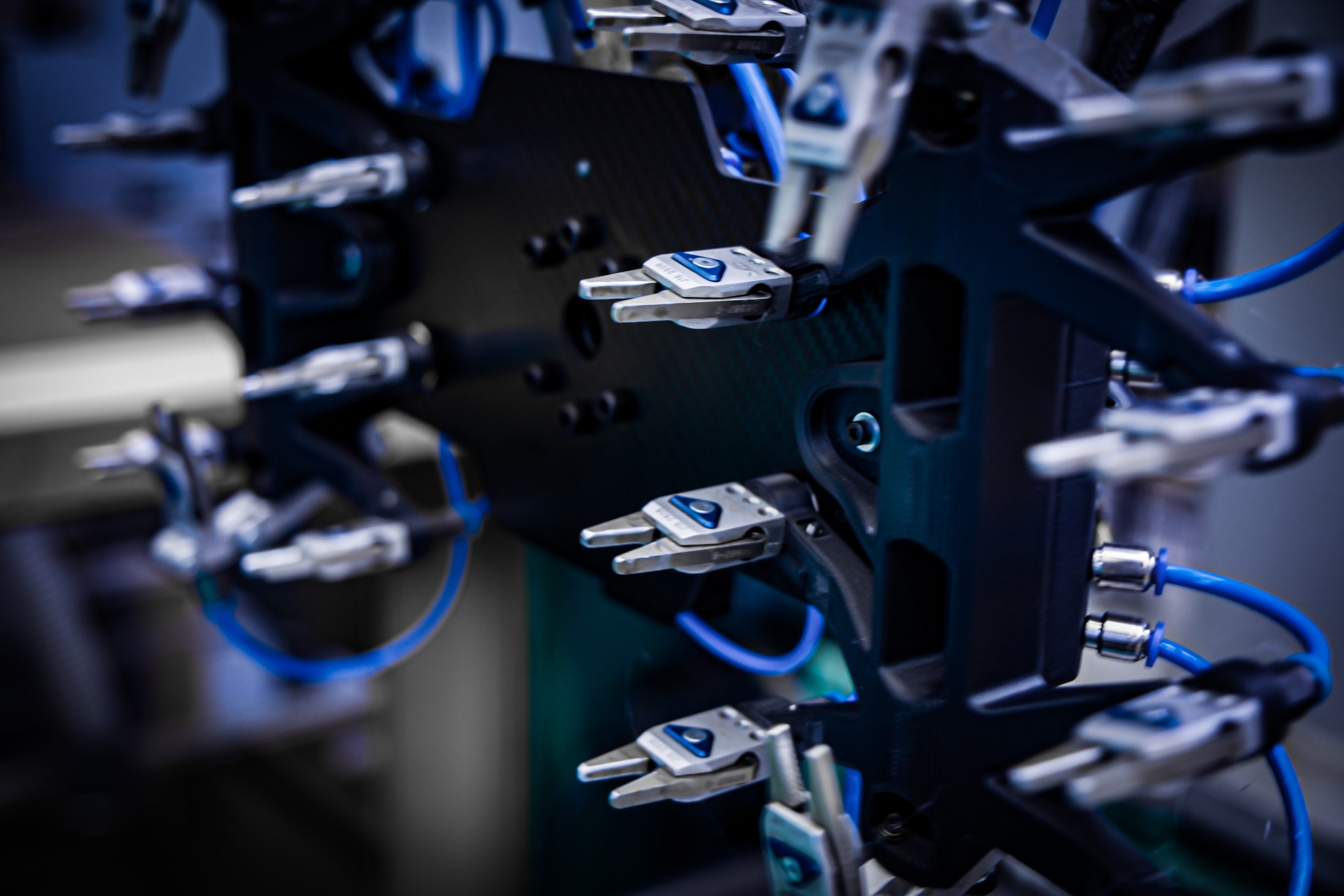
We develop end-of-arm tooling (EOAT) specifically for automated manufacturing processes—with the clear goal of reducing labor costs and sustainably shortening cycle times.
Our solutions integrate quality assurance directly into the process. This ensures consistent, stable production without the need for additional manual inspections.
The result: reliable 24-hour production with a defined storage system for tested parts, consistently high component quality, and maximum process reliability.
Parts Manufacturing: From Prototypes to Mass Production
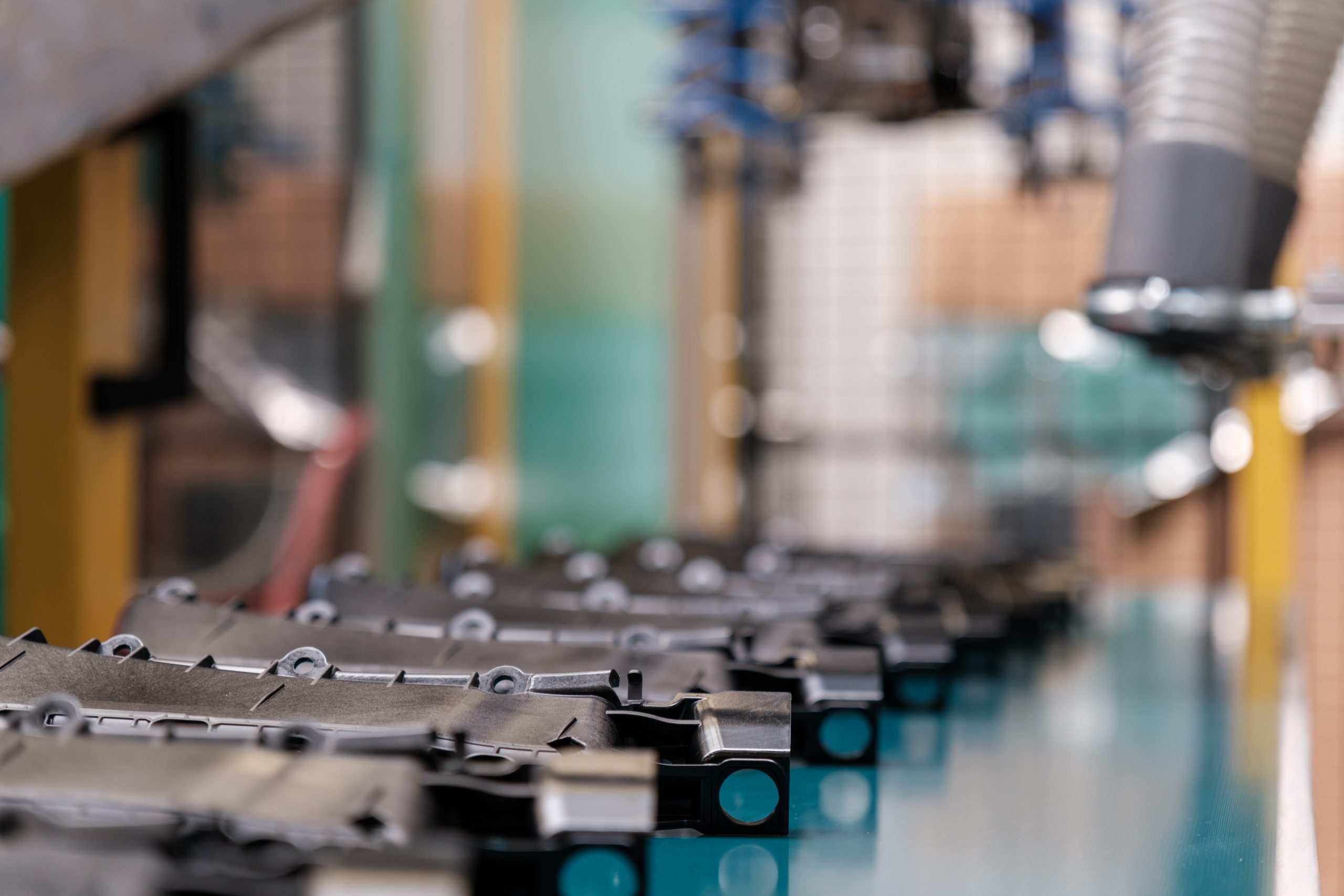
We manufacture components ranging from prototypes to high-volume production, thereby laying the foundation for stable, scalable production.
We ensure quality through established methods such as PPAP, capability studies, and SPC. In addition, detailed inspection reports ensure maximum transparency and complete traceability throughout all project phases.
We manufacture components ranging from prototypes to high-volume production, thereby laying the foundation for stable, scalable production.
Picking robots ensure consistent processes and minimize manual intervention. The result is high process stability and consistently reliable mass production.